


Irregular Periods
- Overview
- What are menstrual irregularities?
- What is ovulation?
- Types of ovulation disorders
- What causes anovulation and irregular ovulation?
- Risk factors
- What are the complications of ovulation disorders?
- How are ovulation disorders diagnosed?
- What treatments are available?
- Living and managing
- References
- References
Explore Our Cooking From The Heart Cookbook Series

Your menstrual cycle depends on a carefully balanced interaction between your brain, ovaries, and hormones. When this balance is disrupted, ovulation may not occur at all (anovulation) or it may happen irregularly (also known as dysovulation), causing your periods to become unpredictable.
Ovulation disorders are among the most common causes of menstrual irregularities and can affect women at different stages of life, particularly during adolescence and the transition to menopause. Anovulation is a common cause of infertility.
What are menstrual irregularities?
A regular menstrual cycle typically occurs every 21 to 35 days and lasts between 4 and 7 days. Menstrual irregularities occur when your periods do not follow a predictable pattern.
Examples of menstrual irregularities include:
- Periods occurring less than 21 days apart
- Periods occurring more than 35 days apart
- Missing three or more periods in a row
- Unusually heavy bleeding
- Unusually light bleeding
- Unpredictable bleeding patterns
- Periods with severe pain, cramping or nausea
It is worth noting that occasional changes in your cycle are common – a single missed or late period can result from temporary stress or illness. Persistent irregularities, however, should be discussed with your healthcare provider.
What is ovulation?
Ovulation is the release of an egg from one of your ovaries. It usually occurs once during each menstrual cycle, typically on day 14 of a 28-day menstrual cycle (the exact day can vary depending on the length of your cycle). It is controlled by hormones produced by your brain and ovaries.
During a typical cycle:
- An egg develops inside an ovarian follicle.
- Hormones stimulate the follicle to mature.
- The ovary releases the egg during ovulation.
- If the egg is not fertilised, menstruation occurs.
Ovulation is central to both menstrual health and fertility. If ovulation does not occur, there is no egg available for fertilisation, making it harder to conceive.

Types of ovulation disorders
Anovulation
Anovulation occurs when your ovary does not release an egg during your menstrual cycle. You may still experience vaginal bleeding, but it is often irregular and may not be a normal menstrual period.
Irregular ovulation (dysovulation)
Irregular ovulation, or dysovulation, occurs when ovulation happens inconsistently or unpredictably. This means that ovulation may occur during some cycles but not others, making your menstrual cycle difficult to predict.
What are the symptoms of ovulation disorders?
Symptoms vary from person to person but may include:
- Irregular periods
- Missed periods
- Not getting periods (amenorrhea)
- Unusually heavy bleeding
- Unusually light bleeding
- Spotting between periods
- Not having egg white cervical mucus
- Irregular basal body temperature patterns
- Difficulty conceiving
- Varying cycle lengths
What causes anovulation and irregular ovulation?
Several conditions can interfere with the hormones needed for normal ovulation.
- Polycystic Ovary Syndrome (PCOS): PCOS is one of the most common causes of ovulation disorders. It can disrupt hormone levels and prevent eggs from maturing and being released normally.
- High androgen levels: Higher-than-normal androgen levels, known as hyperandrogenism, can prevent ovarian follicles from maturing properly before ovulation.
- Pituitary gland dysfunction: This is when your pituitary gland isn’t releasing enough luteinizing hormone (LH) and follicle-stimulating hormone (FSH), two hormones needed for ovulation.
- High prolactin levels: Prolactin is a hormone involved in breast milk production. Elevated levels may interfere with ovulation.
- Underactive thyroid: Your thyroid produces two hormones, triiodothyronine (T3) and thyroxine (T4). Too little thyroxine in your blood can increase the amount of prolactin your pituitary gland makes. Prolactin suppresses LH and FSH.
- Low gonadotropin-releasing hormone (GnRH) levels: The hypothalamus produces GnRH, which signals the release of LH and FSH. Damage to the hypothalamus can lower GnRH levels.
- Perimenopause: As you approach menopause, fluctuations in estrogen and progesterone levels can lead to irregular ovulation and menstrual irregularities.
- Metabolic syndrome: Poorly controlled blood sugar and insulin resistance can interfere with the hormone balance needed for regular ovulation.
- Stress: Physical or emotional stress can affect hormone production and temporarily stop or disrupt ovulation.
- Weight changes: Being significantly underweight, overweight, or experiencing rapid weight changes can interfere with hormone balance and ovulation.
- Excessive exercise: Intense physical activity over long periods may disrupt the hormonal signals required for ovulation.
- Certain medications: Some medications can affect hormone levels and menstrual cycles. Speak to your healthcare provider if you notice changes after starting a new medication.
Risk factors
Anovulation affects women of all ages, but you are more likely to experience anovulation if:
- You recently got your periods.
- You’re in perimenopause (when your body transitions to menopause).
- You have primary ovarian insufficiency (POI) – a condition where the ovaries stop working normally before age 40
- You have polyendocrine metabolic ovarian syndrome (PMOS).
- You have a very low body mass index (BMI).
- You’re obese.
- You’re doing long-term excessive exercise.
What are the complications of ovulation disorders?
If left unmanaged, ovulation disorders can potentially lead to:
- Infertility: without regular ovulation, natural conception becomes difficult.
- Amenorrhea: the absence of periods altogether.
- Endometrial hyperplasia: without enough progesterone, the uterine lining may not shed properly and can become too thick.
- Osteoporosis: low estrogen levels can weaken bones over time.
How are ovulation disorders diagnosed?
Your healthcare provider will usually begin by asking about your symptoms and menstrual cycle history.
Tests may include:
- Blood tests to measure hormone levels
- Thyroid function tests
- Prolactin testing
- Progesterone testing
- Pelvic ultrasound examinations
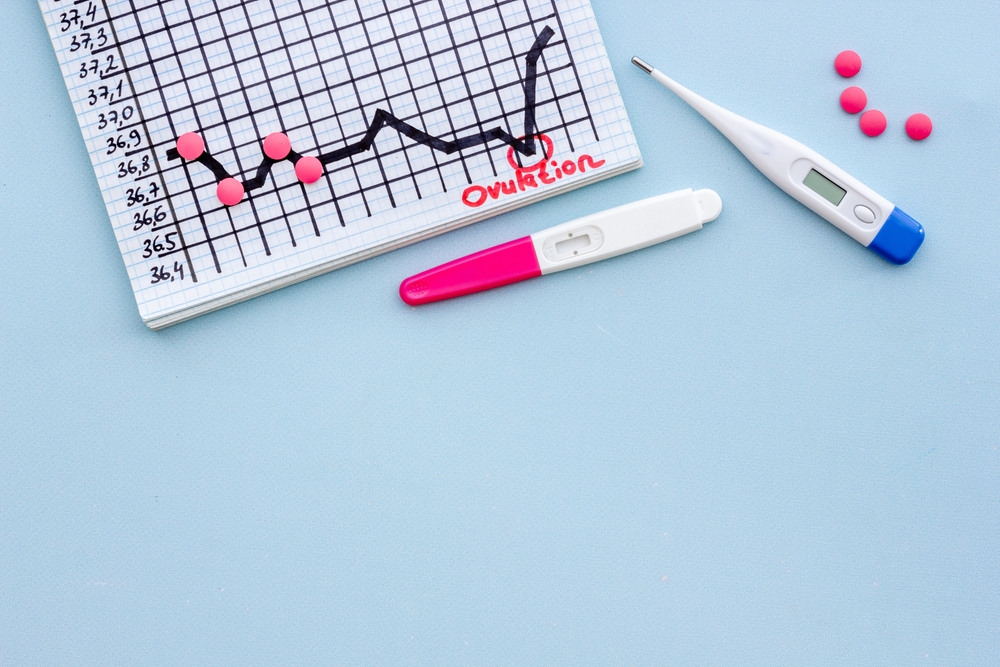
Tracking your periods before your appointment can help your healthcare provider identify patterns in your cycle. You can also monitor for signs of ovulation at home using ovulation predictor kits and by tracking your body temperature. It is important to note that these methods have limitations and do not always confirm normal ovulation and cannot be used to diagnose ovulation disorders.
What treatments are available?
Treatment depends on the underlying cause of the ovulation disorder, your symptoms, and whether you are planning a pregnancy.
Regulating the menstrual cycle
- Hormonal contraceptives: if you don’t want to get pregnant, hormonal contraceptives can help regulate bleeding patterns, reduce heavy menstrual bleeding, and provide predictable menstrual cycles.
- Progesterone therapy: Progestogens may help regulate bleeding and protect the uterine lining. This may be used on its own or with estrogen, depending on your symptoms, medical history, and whether you still want to get pregnant.
Fertility treatments for ovulation
- Clomiphene citrate: Often used treatment for anovulation, clomiphene citrate works by stimulating the hormones needed to trigger ovulation.
- Human chorionic gonadotropin (HCG): Given by injection, HCG directly triggers the ovary to release an egg. It is often used alongside oral ovulation induction medications.
- Follicle-stimulating hormone (FSH): If your body is not producing enough FSH and other treatments have not been successful, your provider may recommend FSH injections to stimulate ovary growth which in turn stimulates hormones to release an egg.
- GnRH agonists and antagonists: These injections help regulate levels of luteinising hormone (LH) in the body, which is needed for ovulation to occur.
Treating underlying conditions
- Medication for related conditions: If a treatable condition such as hypothyroidism or elevated prolactin is contributing to anovulation, treating that condition directly may restore ovulation without additional intervention.
- Medication adjustment: Some medications can interfere with ovulation. If this is a factor, your healthcare provider may adjust your current medications where possible. Never stop or change a prescribed medication without speaking to your provider first.
Regular follow-up appointments may be needed to assess your symptoms, monitor treatment effectiveness, and make any necessary adjustments to your treatment plan.
If your ovulation disorder is linked to stress, weight changes, excessive exercise, or poor nutrition, lifestyle changes may help restore normal ovulation.
Living and managing
Although some causes of ovulation disorders require medical treatment, there are steps you can take to support your hormonal health and manage symptoms.
- Track your menstrual cycle. Keep a record of your periods, including the start and end dates, cycle length, bleeding patterns, and any symptoms you experience. Period tracking apps can help identify irregularities and provide useful information for your healthcare provider.
- Maintain a healthy weight. Both being underweight and overweight can affect hormone production and ovulation. Achieving and maintaining a healthy weight may help improve menstrual regularity.
- Follow a balanced diet. Eating regular, balanced meals that include fruits, vegetables, whole grains, lean protein, and healthy fats supports overall hormonal health. Avoid restrictive diets unless advised by a healthcare professional.
- Exercise regularly. Regular physical activity supports overall health and can help improve insulin sensitivity and hormone balance. However, excessive exercise may disrupt ovulation in some women. Aim for moderate, sustainable activity levels.
- Manage stress. Long-term stress can affect the hormones that regulate ovulation. Stress management techniques such as mindfulness, relaxation exercises, prayer, meditation, journalling, and counselling may be beneficial.
- Prioritise sleep. Sleep plays an important role in hormone regulation. Aim for 7–9 hours of quality sleep each night and maintain a consistent sleep schedule where possible.
- Attend regular healthcare appointments. Regular check-ups can help identify changes in your menstrual cycle early and ensure that any underlying conditions are managed appropriately.
References
- American College of Obstetricians and Gynecologists. (2024). Abnormal Uterine Bleeding. American College of Obstetricians and Gynecologists (ACOG) (Accessed: 21 June 2026)
- Cleveland Clinic. (2023). Irregular Periods (Abnormal Menstruation): Causes & Treatment. Cleveland Clinic (Accessed: 19 June 2026)
- Cleveland Clinic. (2023). Low Progesterone. Cleveland Clinic (Accessed: 19 June 2026)
- Cleveland Clinic. (2024). Anovulation: Signs, Symptoms, Causes & Treatment. Cleveland Clinic (Accessed: 19 June 2026)
- Cleveland Clinic. (2026). Ovulation: Calculating, Process, Pain & Other Symptoms. Cleveland Clinic (Accessed: 19 June 2026)
- Hickey, M., Higham, J. M., & Fraser, I. (2012). Progestogens with or without oestrogen for irregular uterine bleeding associated with anovulation. The Cochrane Database of Systematic Reviews. 2012(9). CD001895. doi: 10.1002/14651858.CD001895.pub3
- Huffman, E. (2025). Understanding ovulation disorders: Types, causes, and new research. Harvard T.H. Chan School of Public Health (Accessed: 19 June 2026)
- Lei, R., Chen, S. and Li, W. (2024). Advances in the study of the correlation between insulin resistance and infertility. Front. Endocrinol. 15:1288326. doi: 10.3389/fendo.2024.1288326
- Rebar, R.W. (2024). Infertility Problems with Ovulation. MSD Manuals (Accessed: 21 June 2026)
- Sultanova, A. E. et al. (2026). The impact of metabolic syndrome on female reproductive health: A study of the relationship between insulin resistance, obesity, and menstrual disorders. Journal of Medicinal and Pharmaceutical Chemistry Research. 8(2). 420-431. doi: 10.48309/jmpcr.2026.527012.1721
- Wheeler, K.C. (2024). Understanding Ovulatory Dysfunction: Symptoms & Treatment. Reproductive Medicine Associates (Accessed: 22 June 2026)
References
- American College of Obstetricians and Gynecologists. (2024). Abnormal Uterine Bleeding. American College of Obstetricians and Gynecologists (ACOG) (Accessed: 21 June 2026)
- Cleveland Clinic. (2023). Irregular Periods (Abnormal Menstruation): Causes & Treatment. Cleveland Clinic (Accessed: 19 June 2026)
- Cleveland Clinic. (2023). Low Progesterone. Cleveland Clinic (Accessed: 19 June 2026)
- Cleveland Clinic. (2024). Anovulation: Signs, Symptoms, Causes & Treatment. Cleveland Clinic (Accessed: 19 June 2026)
- Cleveland Clinic. (2026). Ovulation: Calculating, Process, Pain & Other Symptoms. Cleveland Clinic (Accessed: 19 June 2026)
- Hickey, M., Higham, J. M., & Fraser, I. (2012). Progestogens with or without oestrogen for irregular uterine bleeding associated with anovulation. The Cochrane Database of Systematic Reviews. 2012(9). CD001895. doi: 10.1002/14651858.CD001895.pub3
- Huffman, E. (2025). Understanding ovulation disorders: Types, causes, and new research. Harvard T.H. Chan School of Public Health (Accessed: 19 June 2026)
- Lei, R., Chen, S. and Li, W. (2024). Advances in the study of the correlation between insulin resistance and infertility. Front. Endocrinol. 15:1288326. doi: 10.3389/fendo.2024.1288326
- Rebar, R.W. (2024). Infertility Problems with Ovulation. MSD Manuals (Accessed: 21 June 2026)
- Sultanova, A. E. et al. (2026). The impact of metabolic syndrome on female reproductive health: A study of the relationship between insulin resistance, obesity, and menstrual disorders. Journal of Medicinal and Pharmaceutical Chemistry Research. 8(2). 420-431. doi: 10.48309/jmpcr.2026.527012.1721
- Wheeler, K.C. (2024). Understanding Ovulatory Dysfunction: Symptoms & Treatment. Reproductive Medicine Associates (Accessed: 22 June 2026)
Popular articles


