Premenstrual Syndrome (PMS)
- Overview
- What is PMS (premenstrual syndrome)?
- Does PMS change with age?
- What are the symptoms of PMS?
- When does PMS happen during your cycle?
- What causes PMS?
- Risk factors
- What are the complications of PMS?
- How is PMS diagnosed?
- What treatments are available for PMS
- Can you prevent PMS?
- Living and managing
Explore Our Cooking From The Heart Cookbook Series

Premenstrual syndrome (PMS) refers to the physical and emotional symptoms you may experience one to two weeks before your period.
You may notice symptoms such as mood changes and bloating before your period, which usually ease once menstruation begins. PMS can be mild, or it can interfere with your daily life and cause physical discomfort and emotional distress.
It’s estimated that about 80% of women experience mild premenstrual symptoms, between 20% and 50% have moderate-to-severe premenstrual symptoms, and between 3 and 8% report severe symptoms that meet the criteria for premenstrual dysphoric disorder (PMDD).
Treatment is usually only needed if your symptoms affect your everyday activities and overall well-being.
What is PMS (premenstrual syndrome)?
PMS refers to the range of physical and emotional symptoms that you experience before your period. Because every menstrual cycle is different, you may experience PMS symptoms up to 2 weeks before your period.
Does PMS change with age?
Your PMS symptoms can appear to get worse in your 40s as you transition into menopause (perimenopause), but this is usually as a result of the symptoms associated with perimenopause. PMS stops once your period stops and you reach menopause.
What are the symptoms of PMS?
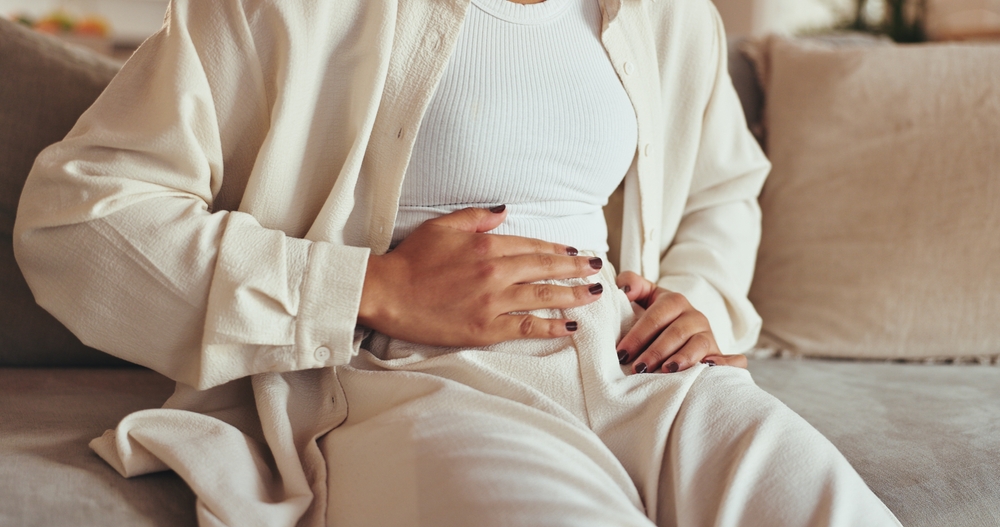
PMS affects women differently, and you may experience a mix of emotional, behavioural and physical symptoms. Symptoms usually go away within four days after the start of your period.
Emotional and behavioural symptoms
PMS-related changes in your mood, emotions, and behaviour might include:
- Anxiety, restlessness
- Irritability and unusual anger
- Food cravings, especially for sweets
- Fatigue
- Trouble sleeping
- Mood swings
- Tearfulness or uncontrollable crying
- Rapid shifts in moods
- Decreased sex drive
- Difficulty concentrating
Physical symptoms
With PMS, you’ll likely experience some physical symptoms, such as:
- Bloating
- Cramping
- Sore and swollen breasts
- Acne
- Fatigue
- Constipation or diarrhoea
- Headaches
- Back and muscle pain
- Unusual sensitivity to light or sound
A small number of women experience PMDD, a more severe form of PMS. If you experience intense psychological symptoms such as depression, mood swings, anger, anxiety, difficulty concentrating, irritability, and tension, speak to your healthcare provider.
When does PMS happen during your cycle?
- The menstrual phase – from the start of the period until the end (typically about 3–8 days).
- The follicular phase – from the start of the period (which overlaps with the menstrual phase) until ovulation (between 10–16 days).
- The ovulation phase – when the mature egg travels from the ovary into the womb; typically occurs in the middle of the menstrual cycle (about 1 day).
- The luteal phase – from ovulation to the start of the period; this is when women typically experience PMS (about 14 days).
The length of each phase varies from person to person and changes over time with age.
What causes PMS?
The exact cause of PMS is unknown, but it is thought to be linked to natural changes in the levels of estrogen and progesterone during the menstrual cycle. The sex hormones, estrogen and progesterone, influence various functions, including mood regulation, cognitive function, and emotional processing. During ovulation, the levels increase, but after ovulation in the menstrual cycle, the hormone levels drop. This affects brain chemicals serotonin and norepinephrine that help regulate mood, sleep, and appetite. Some women are more sensitive to hormonal fluctuations than others.
Risk factors
PMS is a natural occurrence, but certain factors might affect the severity of your PMS symptoms:
- A history of postpartum depression
- A personal or family history of depression or anxiety disorders
- High stress levels
- Smoking
- Binge drinking or drinking heavily on a regular basis
- A lack of sleep
- Eating foods high in fat, sugar, and salt
- A lack of regular physical activity
What are the complications of PMS?
These health conditions share many symptoms with PMS, and they can get worse before or during your period:
- Depression
- Anxiety disorders
- Chronic fatigue syndrome
- Irritable bowel syndrome
- Bladder pain syndrome
If you live with diabetes, asthma, allergies or migraines, you may find that the symptoms of these conditions worsen during PMS.
How is PMS diagnosed?
PMS is diagnosed based on your symptoms and how it affects your daily life. Your healthcare provider may ask you to describe your symptoms and track when they occur. To support a diagnosis, symptoms must:
- Interfere with daily activities
- Appear a week before the period starts and end 4 days after your period starts
- Repeat for 3 months in a row
What treatments are available for PMS?
For moderate to severe PMS, treatment can include:
- Over-the-counter pain relievers, such as ibuprofen, aspirin, paracetamol or naproxen, may help ease cramps and breast discomfort.
- Diuretics, also known as water tablets, help the body remove excess fluid through the kidneys and may reduce bloating and breast tenderness.
- Antidepressants, especially selective serotonin reuptake inhibitors (SSRIs) may help reduce mood-related symptoms. They are often used as first-line treatment for severe PMS or PMDD.
- Hormonal contraceptives stop ovulation and may help relieve PMS symptoms.
- Progesterone may be used during the luteal phase to help manage symptoms such as anxiety and bloating, especially if you’ve been diagnosed with PMDD. It can be taken orally or vaginally.
Medical practitioners will prescribe medicines to manage symptoms for severe PMS or PMDD based on a thorough examination of the holistic health status of a person. If you have severe mood symptoms that affect the quality of your life, cognitive behavioural therapy (CBT) or other therapy approaches could help you cope.
Can you prevent PMS?
PMS occurs naturally before your period. You can’t prevent PMS, but you can manage the symptoms with lifestyle changes and medication, if necessary.
Living and managing
While you can’t prevent PMS, you can manage PMS symptoms:
- To relieve cramps: apply heat to your abdomen, try herbal teas like chamomile and red raspberry leaf, and massage the area.
- To ease bloating: drink plenty of fluids, stay away from salty foods, eat potassium-rich foods like bananas and do gentle exercise.
- or cramps and mood symptoms: try supplements like folic acid, vitamin B6, vitamin D, calcium, and magnesium.
- Eat a balanced diet that includes plenty of fruits, vegetables, and whole grains. For healthy recipes and nutrition tips, explore our Cooking from the Heart series.
- Avoid sugar, salt, caffeine, and alcohol, especially if you’re sensitive to their effects.
- Get 7 to 9 hours of sleep each night. Click for more on good sleep habits.
- Aim for at least 30 min of light exercise per day.
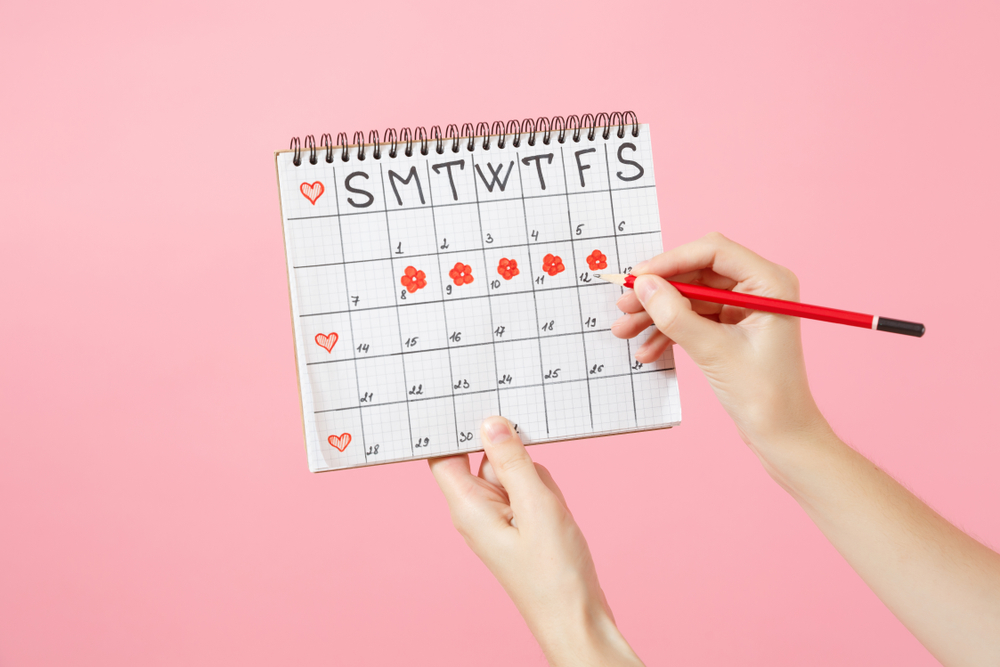
- If your symptoms are concerning you, track your periods using a period tracker with a PMS symptom checker. Popular period trackers are Flo, Clue, and My Calendar.
References
- Cleveland Clinic. (2025). Premenstrual Syndrome. Cleveland Clinic (Accessed: 15 June 2026)
- Eske, J. (2023). What to know about premenstrual syndrome (PMS). Medical News Today (Accessed: 15 June 2026)
- Healthline Medical Network. (2020). PMS Supplements: 7 Options for Mood Swings and Other Symptoms. Healthline (Accessed: 15 June 2026)
- Higuera, V. & Raypole, C. (2023). PMS: Premenstrual Syndrome Symptoms, Treatments, and More. Healthline (Accessed: 15 June 2026)
- Mayo Clinic. (2022). Premenstrual syndrome (PMS) Symptoms & Causes. Mayo Clinic (Accessed: 15 June 2026)
- Mayo Clinic. (2022). Premenstrual syndrome (PMS) Diagnosis & Treatment. Mayo Clinic (Accessed: 15 June 2026)
- Mu, E., Chiu, L. & Kulkarni, J. (2025). Using estrogen and progesterone to treat premenstrual dysphoric disorder, postnatal depression and menopausal depression. Front. Pharmacol. 16:1528544. doi: 10.3389/fphar.2025.1528544
- Office on Women’s Health. (2025). Premenstrual syndrome (PMS). Office on Women’s Health (Accessed: 15 June 2026)
References
- Cleveland Clinic. (2025). Premenstrual Syndrome. Cleveland Clinic (Accessed: 15 June 2026)
- Eske, J. (2023). What to know about premenstrual syndrome (PMS). Medical News Today (Accessed: 15 June 2026)
- Healthline Medical Network. (2020). PMS Supplements: 7 Options for Mood Swings and Other Symptoms. Healthline (Accessed: 15 June 2026)
- Higuera, V. & Raypole, C. (2023). PMS: Premenstrual Syndrome Symptoms, Treatments, and More. Healthline (Accessed: 15 June 2026)
- Mayo Clinic. (2022). Premenstrual syndrome (PMS) Symptoms & Causes. Mayo Clinic (Accessed: 15 June 2026)
- Mayo Clinic. (2022). Premenstrual syndrome (PMS) Diagnosis & Treatment. Mayo Clinic (Accessed: 15 June 2026)
- Mu, E., Chiu, L. & Kulkarni, J. (2025). Using estrogen and progesterone to treat premenstrual dysphoric disorder, postnatal depression and menopausal depression. Front. Pharmacol. 16:1528544. doi: 10.3389/fphar.2025.1528544
- Office on Women’s Health. (2025). Premenstrual syndrome (PMS). Office on Women’s Health (Accessed: 15 June 2026)
Popular articles