


Mastopathy
Understanding Mastopathy
Explore Our Cooking From The Heart Cookbook Series

Mastopathy, also called fibrocystic breast disease or mammary dysplasia, is a common benign condition that affects the breast tissue.
More than half of women worldwide experience breast discomfort, heaviness, pain, lumps or cysts at some point in their lives due to mastopathy.
Mastopathy is caused by an imbalance of a woman’s sex hormones, leading to symptoms that fluctuate with the menstrual cycle. Although mastopathy can be uncomfortable and unpleasant, treatment is usually not necessary except where the symptoms are severe.
While generally non-cancerous, certain forms can slightly increase the risk of breast cancer and require regular medical monitoring.
What is mastopathy?
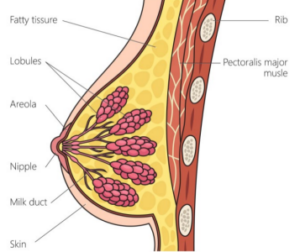
Mastopathy is a non-cancerous breast condition that affects the milk-producing lobules, and the connective tissue that supports the breast. It is most common in women aged 30 – 50 and often affects both breasts.
Symptoms vary with the menstrual cycle, intensifying a week before menstruation and
improving afterwards.
Types of mastopathy
There are two types of mastopathy, which will affect treatment and risk assessment.
- Diffuse mastopathy are changes which occur throughout the breast tissue, in both breasts. This includes:
- Fibrous mastopathy: the connective tissue lining the ducts grows.
- Cystic mastopathy: fluid-filled cysts form in the glandular lobules.
- Fibrocystic mastopathy: the connective tissue and the glandular cells multiply, causing a combination of fibrous and cystic changes. The cysts can be filled with fluid, blood or pus.
- Fibroadenomatous mastopathy: a tumour-like overgrowth of glandular cells in the ducts, which can be filled with blood, pus, or secretion.
- Nodular mastopathy are single benign masses.

Degrees of severity of mastopathy
There are 3 grades of severity.
- Grade I: The connective tissue is only slightly increased, the milk ducts are dilated and sometimes cysts are present. About 70% of women have this degree of severity of mastopathy. There is no risk of breast cancer developing from this grade of mastopathy.
- Grade II: There are benign cell growths in the milk ducts, with a slightly increased risk of breast cancer. About 20% of women have this degree of severity.
- Grade III: The tissue proliferates and contains abnormal cells. The risk of breast cancer is slightly increased, especially for women with a family history of breast cancer. This affects about 10% of women.
Even if the risk of breast cancer is very low, women with grade II or III mastopathy should undergo regular medical examinations.
Symptoms
Mastopathy symptoms vary from woman to woman and vary in their severity. They also fluctuate with the menstrual cycle. Symptoms include:
- Breast pain and tenderness, usually before menstruation
- A feeling of heaviness in the chest
- Palpable nodules or lumps that may vary in size and sensitivity
- Small cysts
- Nipple discharge, which can be dark brown or green
For most women with mastopathy, both breasts are affected. Once you reach menopause, symptoms are rare unless you’re taking hormone replacement therapy.
Causes
The main cause of mastopathy is hormonal imbalance, particularly between the two most important hormones in the menstrual cycle, estrogen and progesterone; either the body produces too much estrogen, or the estrogen level is normal and there’s too little progesterone.
Other contributing factors include:
- High prolactin or androgen levels
- Thyroid dysfunction
- Certain medications (e.g. some antidepressants and long-term use of the cardiac medication, digoxin)
Risk factors
Mastopathy is most common among women aged 30 – 50. Other risk factors include:
- A family history of breast disorders
- Hormonal imbalances
- Metabolic conditions such as obesity or diabetes
- Liver diseases
- Endocrine system disorders
- Inappropriate use of hormone therapy drugs
- Lifestyle and developmental factors such as early menstruation, late menopause, abortions, childlessness, when you stop breastfeeding and chronic stress
Complications
There are few complications of mastopathy. With fibrocystic breasts, for instance, it may be harder to identify precancerous or worrisome breast tissue.
There is a rare progression to malignancy (0.1 – 0.3% of cases). Grades II and III are associated with a slightly increased risk of breast cancer.
Persistent nodules or lumps may lead to breast deformity or surgical interventions.
How is it diagnosed?
Mastopathy can usually be diagnosed by:
- A clinical breast examination and detailed medical history
- A breast ultrasound for nodular assessment
- A mammogram for detailed imaging
- A biopsy, if cancer is suspected
- A mammary gland MRI to rule out breast cancer
- A galactography for evaluation of nipple discharge (in rare cases)
Treatment
Most cases of mastopathy don’t require specific treatment. However, treatment for severe cases focuses on symptom relief and hormonal balance:
- Progesterone medications (topical or oral) can be used to correct hormone imbalance.
- Take over-the-counter pain relievers, like ibuprofen.
- Oral contraceptives can lower the levels of cycle-related hormones.
- Surgically remove lumps only if there is breast deformation, persistent nodules, new lumps or cancer suspicion.
Prevention
Breast changes are normal and common. You can’t prevent it, but you can manage the symptoms. Regular breast self-examination can help detect early changes.
Living and managing
Manage your symptoms with the following:
- Track your symptoms across the menstrual cycle to identify patterns.
- Apply warm or cool compresses to your breasts to relieve pain.
- Wear comfortable and supportive bras.
- Avoid certain activities, like contact sports or running when symptoms are at their worst.
- Avoid foods and drinks high in caffeine, salt, sugar and fat.
- Try the supplements evening primrose oil and vitamin E, both of which showed positive effects on breast pain.
How do I do a breast self-exam?
Examine your breasts both visually (in front of a mirror) and physically (with your fingers), including the tissue extending toward the armpit, collarbone, and upper abdomen. A thorough breast self-examination requires only a few minutes and should be performed monthly. Look for any changes in breast shape, swelling or dimpling on your skin, or the position of your nipples.

| Visual self-exam | Standing self-exam | Lying down self-exam |
|---|---|---|
|
|
|
Source: Cleveland Clinic
When to speak to your doctor
Contact your healthcare professional when you see the following:
- New or growing lumps on your breast or armpit
- Lumps that are getting bigger
- Breast pain that doesn’t go away after your period ends
- Changes in the direction of your nipple, such as turning inward
- Dimpling, redness or swelling of your skin
- Nipple discharge that is clear, red, or bloody
References
- Ahern, T. P., Tamimi, R. M., Rosner, B. A., & Hankinson, S. E. (2014). Digoxin use and risk of invasive breast cancer: evidence from the Nurses’ Health Study and meta-analysis. Breast cancer research and treatment, 144(2), 427–435.
- Cafasso, J. (2023) Fibrocystic Breast Disease. Healthline. Available from https://www.healthline.com/health/fibrocystic-breast-disease (Accessed: 28 January 2026)
- Cleveland Clinic. (2023). Breast Anatomy. Cleveland Clinic. Available from https://my.clevelandclinic.org/health/articles/8330-breast-anatomy
- Cleveland Clinic. (2024). Fibrocystic Breasts. Cleveland Clinic. Available from https://my.clevelandclinic.org/health/diseases/22080-fibrocystic-breasts (Accessed: 28 January 2026)
- Cleveland Clinic. (2025). Breast Self-Exam. Cleveland Clinic. Available from https://my.clevelandclinic.org/health/diagnostics/3990-breast-self-exam (Accessed: 28 January 2026)
- Leading Medicine Guide. (n.d.) Mastopathy – Specialists and information on lumps in the mammary gland. Leading Medicine Guide. Available from https://www.leading-medicine-guide.com/en/illness/genitourinary/mastopathy#doc-filter (Accessed: 2 February 2026)
- Mayo Clinic. (2023a). Fibrocystic Breast Disease Symptoms & Causes. Mayo Clinic. Available from https://www.mayoclinic.org/diseases-conditions/fibrocystic-breasts/symptoms-causes/syc-20350438 (Accessed: 28 January 2026)
- Mayo Clinic. (2023b). Fibrocystic Breast Disease Diagnosis & Treatment. Mayo Clinic. Available from https://www.mayoclinic.org/diseases-conditions/fibrocystic-breasts/diagnosis-treatment/drc-20350442 (Accessed: 28 January 2026)
- University Hospital Zürich. (2025). Mastopathy. University Hospital Zürich. Available from https://www.usz.ch/en/disease/mastopathy/ (Accessed: 13 February 2026)
- Virko, M. (2024). Fibrocystic mastopathy: symptoms and treatment. Medcons. Available from https://medconsonline.com/en/blog/fibrocystic-mastopathy (Accessed: 2 February 2026)
References
- Ahern, T. P., Tamimi, R. M., Rosner, B. A., & Hankinson, S. E. (2014). Digoxin use and risk of invasive breast cancer: evidence from the Nurses’ Health Study and meta-analysis. Breast cancer research and treatment, 144(2), 427–435.
- Cafasso, J. (2023) Fibrocystic Breast Disease. Healthline. Available from https://www.healthline.com/health/fibrocystic-breast-disease (Accessed: 28 January 2026)
- Cleveland Clinic. (2023). Breast Anatomy. Cleveland Clinic. Available from https://my.clevelandclinic.org/health/articles/8330-breast-anatomy
- Cleveland Clinic. (2024). Fibrocystic Breasts. Cleveland Clinic. Available from https://my.clevelandclinic.org/health/diseases/22080-fibrocystic-breasts (Accessed: 28 January 2026)
- Cleveland Clinic. (2025). Breast Self-Exam. Cleveland Clinic. Available from https://my.clevelandclinic.org/health/diagnostics/3990-breast-self-exam (Accessed: 28 January 2026)
- Leading Medicine Guide. (n.d.) Mastopathy – Specialists and information on lumps in the mammary gland. Leading Medicine Guide. Available from https://www.leading-medicine-guide.com/en/illness/genitourinary/mastopathy#doc-filter (Accessed: 2 February 2026)
- Mayo Clinic. (2023a). Fibrocystic Breast Disease Symptoms & Causes. Mayo Clinic. Available from https://www.mayoclinic.org/diseases-conditions/fibrocystic-breasts/symptoms-causes/syc-20350438 (Accessed: 28 January 2026)
- Mayo Clinic. (2023b). Fibrocystic Breast Disease Diagnosis & Treatment. Mayo Clinic. Available from https://www.mayoclinic.org/diseases-conditions/fibrocystic-breasts/diagnosis-treatment/drc-20350442 (Accessed: 28 January 2026)
- University Hospital Zürich. (2025). Mastopathy. University Hospital Zürich. Available from https://www.usz.ch/en/disease/mastopathy/ (Accessed: 13 February 2026)
- Virko, M. (2024). Fibrocystic mastopathy: symptoms and treatment. Medcons. Available from https://medconsonline.com/en/blog/fibrocystic-mastopathy (Accessed: 2 February 2026)


